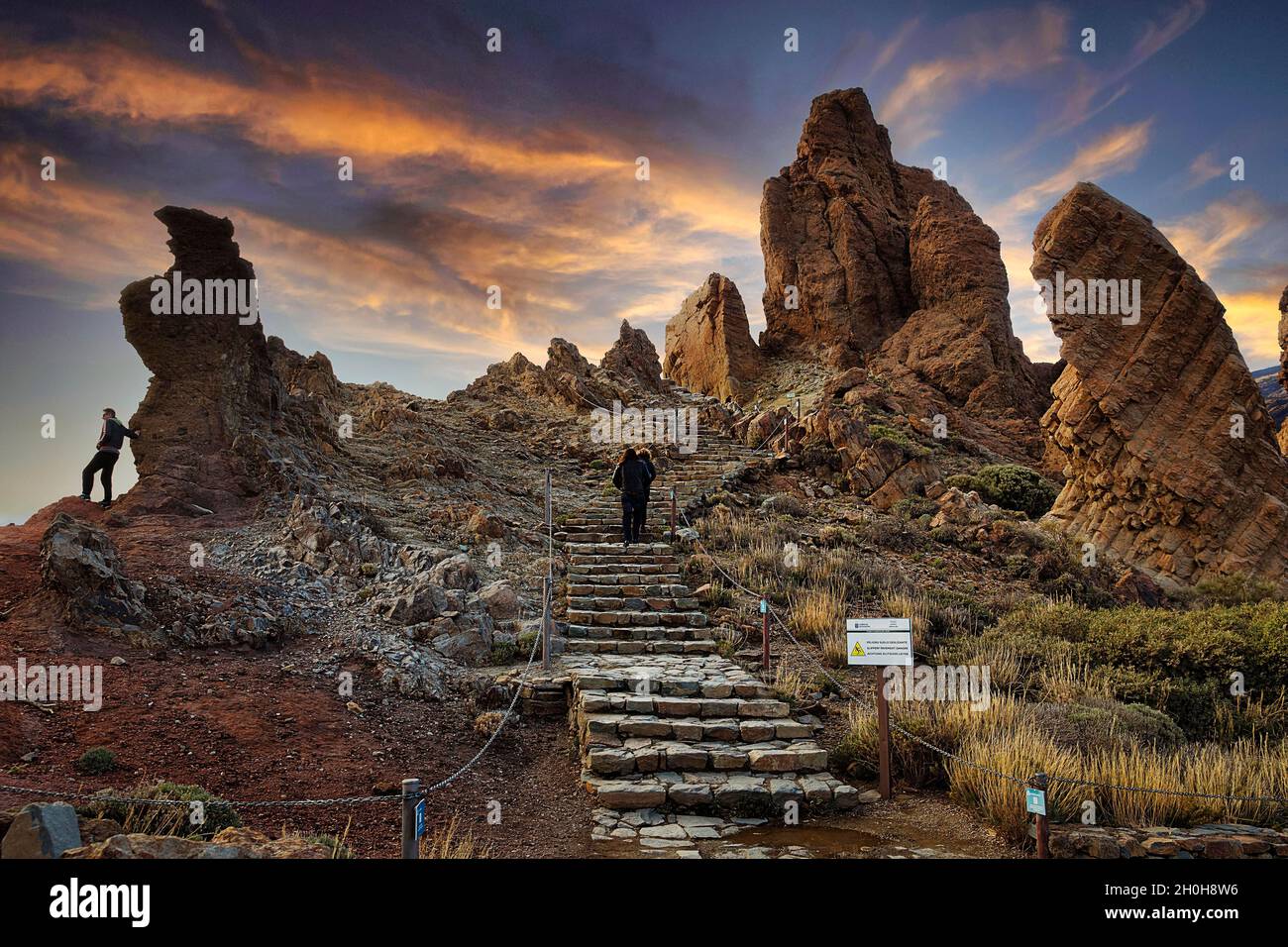
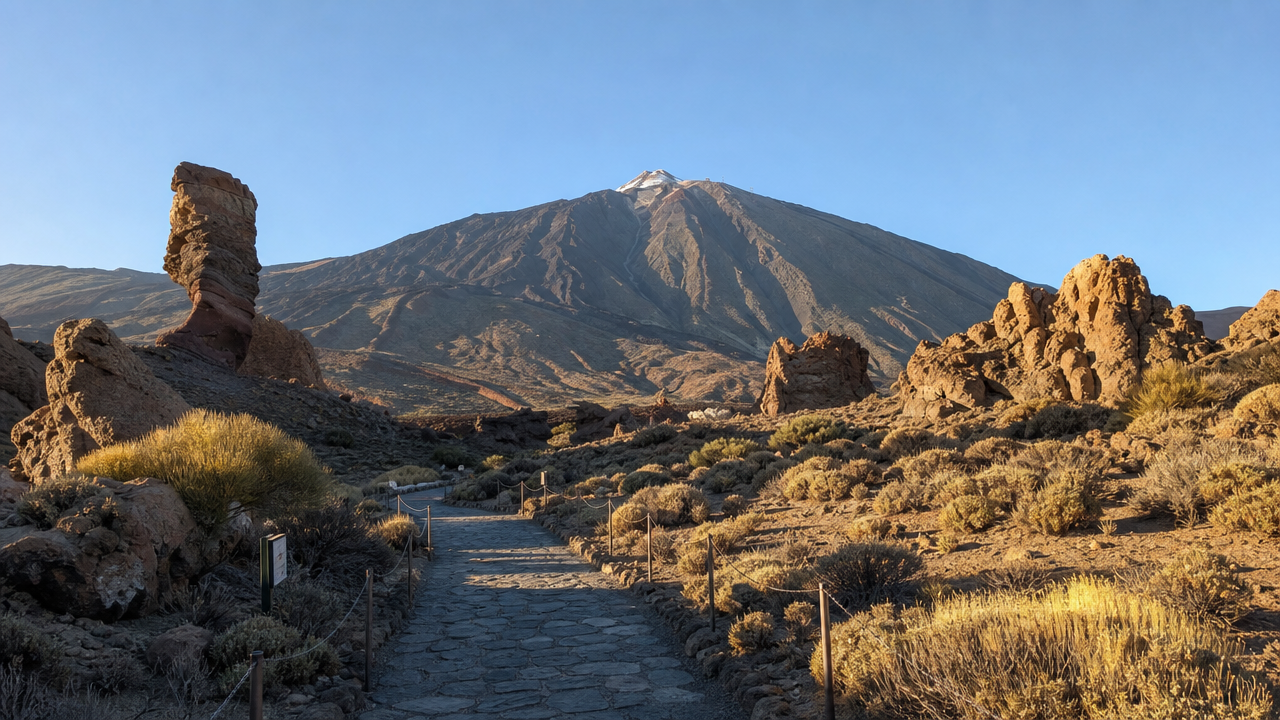
Roques de García
about 15 min by car
This is the easiest classic add-on if you want a scenic daytime stop before staying for the night sky. The rock formations and short walking circuits give you a strong Teide landscape contrast in a compact area.

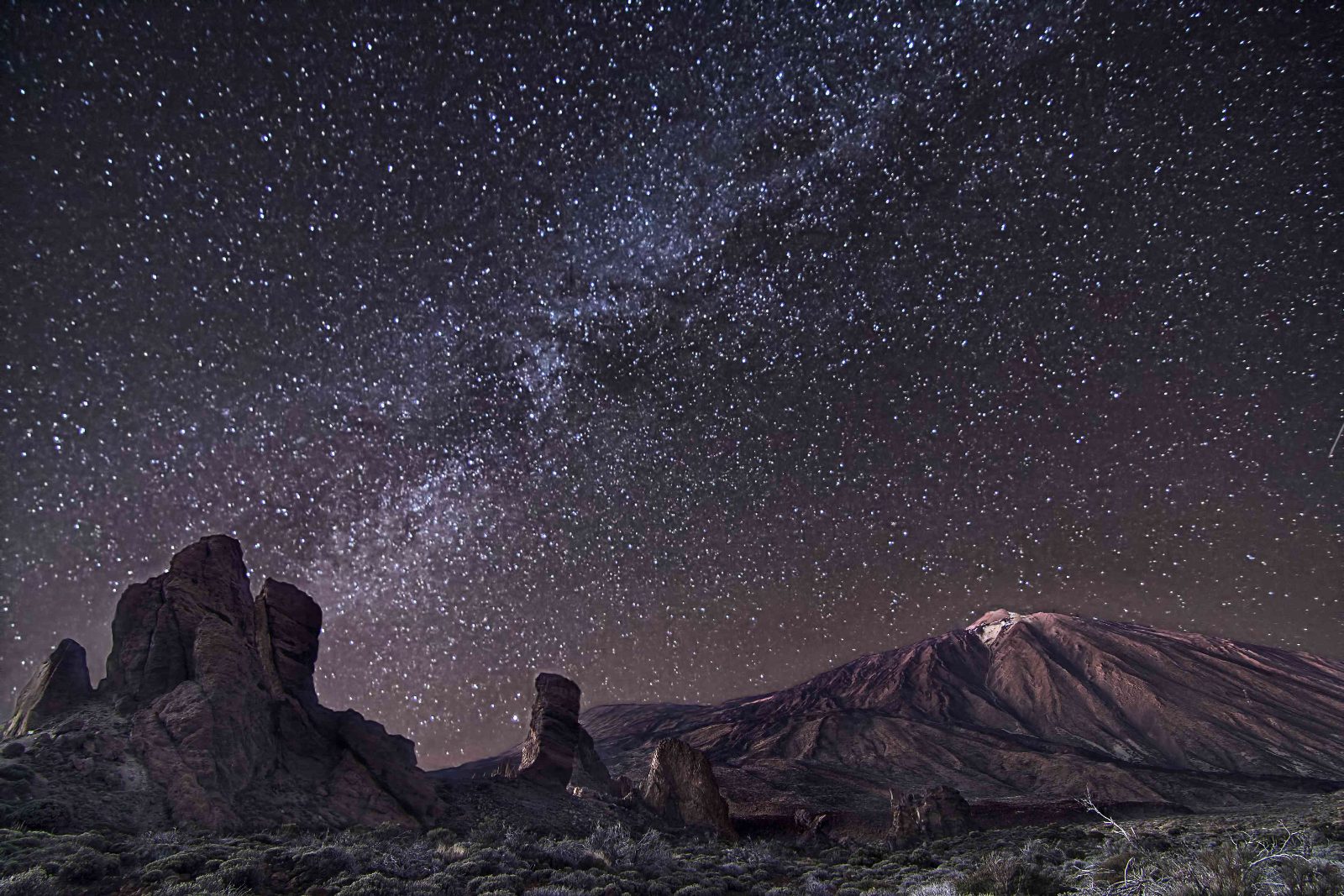
Above the cloud layer at roughly 2,000 metres, Teide National Park sits under some of the most protected sky in Europe. Independent visitors can reach it, park at a roadside mirador and look up without booking anything — but the cable car, the summit path and the observatory follow separate rules. This stargazing tenerife on your own guide sets out what is open to you after dark and what is not.
Quick answer
Yes — the park roads and roadside viewpoints stay open all night and free, so unguided stargazing is entirely possible. The cable car is not part of it: the base station runs 09:00–17:00 daily, with a 43 EUR adult return ticket, so the summit is a daytime trip. Night visits mean driving up, parking at a mirador and staying at ground level.
The Canary Islands passed a Sky Law in 1988 — one of the first anywhere — restricting light pollution, air traffic and radio interference above Tenerife and La Palma. That legislation, not luck, is why the Milky Way reads so clearly from the caldera floor. Anyone planning stargazing tenerife on your own is effectively using a protected scientific resource that happens to be crossed by a public road. The practical shape of an independent night is simple. The TF-21 and TF-24 climb from both coasts into Las Cañadas del Teide, the collapsed caldera that fills most of the park, and neither road closes at night outside snow or wind events. Roadside miradores such as Llano de Ucanca and the pull-outs near Roques de García are unlit, unstaffed and free to stop at. What is not available after dark is anything with a gate: the Teide Cable Car base station operates on daytime hours only, and the Observatorio del Teide at Izaña is a working research facility, open to the public solely through scheduled daytime visits. Independent astronomy in the park means car, tripod and horizon — nothing more. The altitude does most of the work. Above the inversion layer the air is dry and stable, which is precisely why the observatory was sited here in 1964. Bortle-class readings across Las Cañadas sit among the darkest in mainland-adjacent Europe. The trade-off is temperature: the caldera can drop below freezing at night even in August, when the coast stays at 25°C, and mobile coverage inside the park is patchy enough that offline maps matter. A Teide National Park night visit is genuinely self-sufficient in a way that guided astronomy trips are not. For most visitors the sensible plan is a split one. Treat the cable car and summit as a separate daytime outing, then return after sunset for the sky. Anyone weighing self-guided stargazing in Tenerife against a booked excursion should be clear about the difference: a tour supplies telescopes, an astronomer and transport, while going alone supplies freedom of timing and no cost at all. The stargazing tenerife on your own approach suits confident mountain drivers who are comfortable descending a dark, winding road at midnight — and suits nobody else particularly well.
“Independent astronomy in the park means car, tripod and horizon — nothing more.”
Teide Cable Car is open every day of the week, with the same published daytime hours from Monday to Sunday. For independent visits, the base station follows the standard timetable shown below.
The official timetable shows seasonal changes later in the year, so opening times can vary by date range. There are also additional sunset operations outside the standard schedule, and the car park is only accessible at night for registered night-time experiences.
The Teide Cable Car base station sits in Teide National Park on TF-21 at km 43, so the approach is a clear road drive rather than an urban transfer. For visitors arriving on their own, the route is straightforward once you are on the mountain roads, but the setting is remote and you should plan for a full drive across the island.
TF-24 from La Laguna to Portillo de la Villa, then TF-21 to km 43 at the Teide Cable Car base station
TF-21 from Vilaflor to Teide National Park, continuing to km 43
TF-23 from Boca de Tauce to Chío, joining TF-21 toward the base station
Direct road transfer to Teide Cable Car base station, TF-21 km 43
Use the Teide Cable Car base station entrance on TF-21, km 43, and follow signs for the cable car and visitors’ centre. Parking is limited at this remote mountain site, so arriving in the morning helps you avoid the busiest window and makes it easier to find a space.
A self-drive night on Teide rewards preparation done in the right order, from advance permits to the torch in your pocket.
If you are planning stargazing Tenerife on your own, these Teide stops fit naturally into the same day because they sit on the park road or nearby ridge. They add classic lava landscapes, a science stop, or a short viewpoint walk without turning your visit into a long detour.
about 15 min by car
This is the easiest classic add-on if you want a scenic daytime stop before staying for the night sky. The rock formations and short walking circuits give you a strong Teide landscape contrast in a compact area.
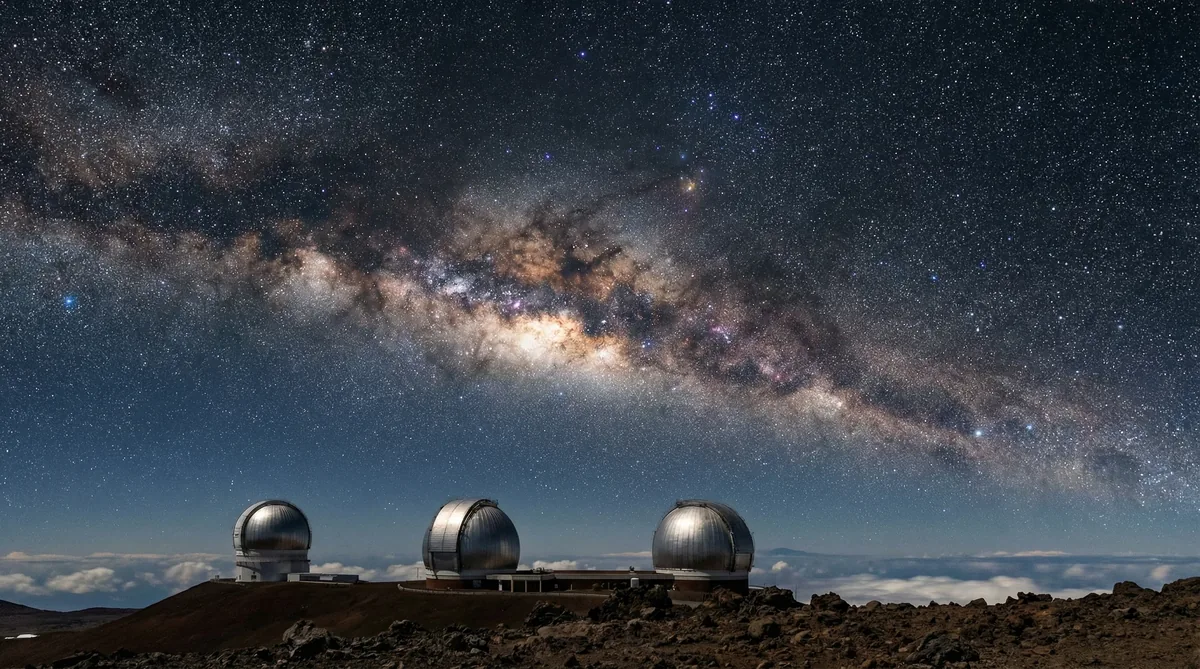
Teide Observatory
about 20 min by car
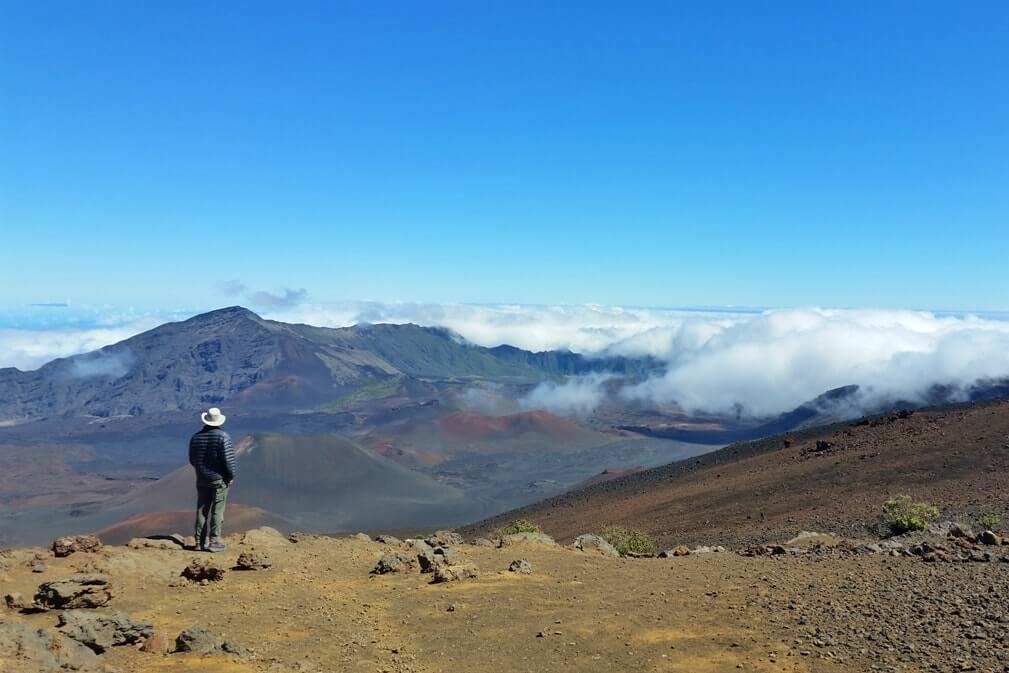
Pico Viejo Viewpoint trail
at the cable car upper station
El Portillo Visitor Centre
about 25 min by car
Everything you need to know about stargazing tenerife on your own
Yes. For stargazing tenerife on your own, you can reach the Teide Cable Car base station independently, then continue with your visit using the official cable car. The base station is at Teide National Park, Tenerife, Canary Islands, Spain, and the upper station is reached in about 8 minutes.
Not exactly. Stargazing tenerife on your own is a broader self-planned visit, while the official night option is the Sunset & Stars activity. If you only want the daytime cable car, the standard opening hours are Monday to Sunday, 09:00–17:00.
The official adult return cable car ticket is 43 EUR. That price is for the cable car only and does not include the permit for the crater at the highest point.
Yes, advance booking is recommended for independent visits because tickets are sold online and space can be limited. For stargazing tenerife on your own, booking ahead also helps you avoid queues and secure your preferred time.
The cable car ride itself takes about 8 minutes from the base station to the upper station. That makes a self-guided Mount Teide cable car visit efficient, but it still leaves time for walking routes and viewpoints at the top.
Yes, but families should plan carefully because Mount Teide is a high mountain environment. For stargazing tenerife on your own, children still need the same cable car access rules and the visit should fit the official opening window.
The biggest mistake is arriving too late and missing the easiest parking and quietest start. For stargazing tenerife on your own, the best arrival window is 09:00–10:00, when crowds are lower and parking is easier.
Tenerife Teide Stargazing Tours
Read more Tickets & toursTeide Astronomy Tours
Read more GuideBest Teide Stargazing Tours
Read more GuideHow Long Does It Take to Walk Up Teide?
Read more GuideCan You See Stars When It Rains?
Read more Tickets & toursSunset & Stargazing Tours
Read more Tickets & toursPrivate Stargazing Tours
Read more